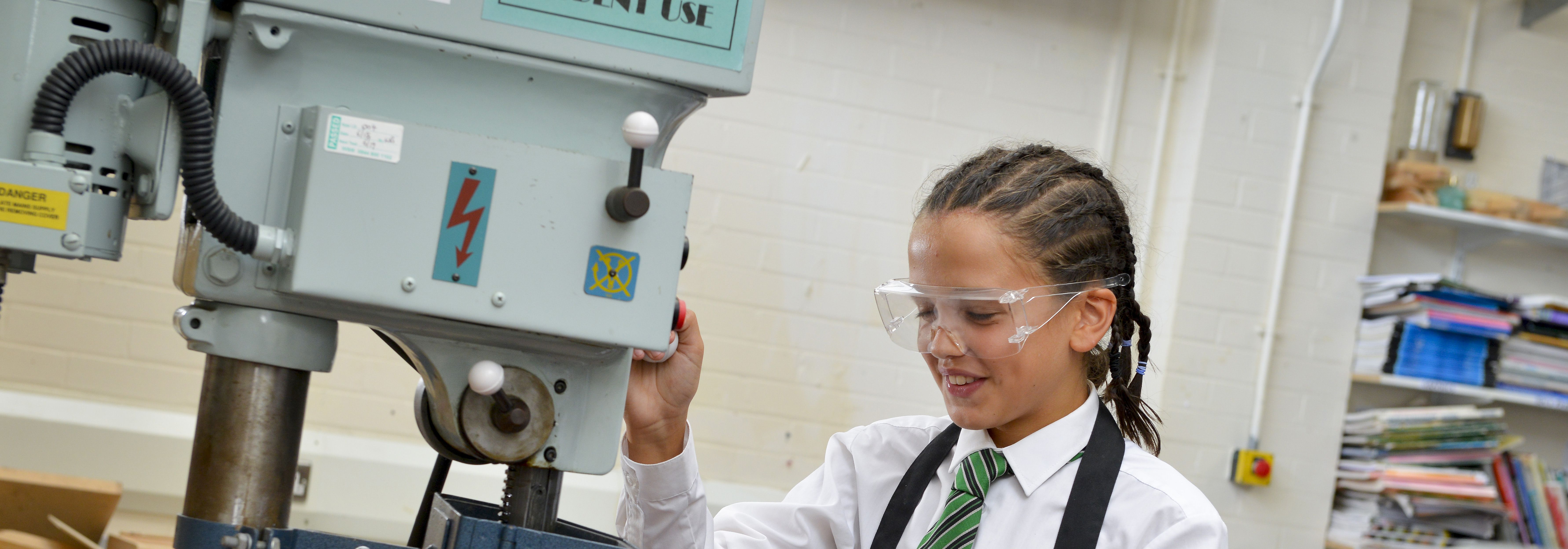
The Knowledge and Skills overviews show the specific design technology content students will learn in each unit of study throughout the year. These documents outline both the substantive knowledge (materials science, design principles, and manufacturing processes) and the disciplinary skills (technical drawing, prototype development, and evaluation techniques) that students will develop. Each unit is broken down to clearly identify what students need to know and what they should be able to do upon completion. Through the systematic development of both knowledge and skills, students build technological literacy, design thinking capabilities, and practical problem-solving appropriate to their stage of learning.
Select a unit to find out more...
Construction
| Unit Progress Criteria |
| Knowledge |
Skills |
- Developing H&S in a workshop.
- Roles within the construction industry
- Material properties
- Salaries
- First fix/second fix installation
- Planning - Gnatt Charts
- Invoices
|
- Marking out and measuring
- Working as a team
- Selecting the correct components for the job
- Costing and area
- Being organised
|
Design Technology - Resistant Materials
| Unit Progress Criteria |
| Knowledge |
Skills |
- Know the physical properties of materials - brittleness, flexibility. elasticity, malleability, hardness, toughness
- Timber identification
- Why materials need a surface finish
- Characteristics of materials
|
- Learn to join different materials together - wood joints, screws, nails etc.
- How to apply surface finish ensuring the product is commercially viable and linked to the end user.
- How to shape and form material using a range of tools
- How to complete a detailed evaluation
|
Food Technology
| Unit Progress Criteria |
| Knowledge |
Skills |
- To recap basic health and safety, to understand the kitchen brigade
- To understand what the macronutrients are, what they do in the body and their sources within food
- To understand why hydration is important for the body and what micronutrients do
- To understand how food is produced and why food is processed
- To understand what food is imported and exported in the UK
- To discuss different cuisines and where they are from
- To understand how food production and process affect the planet as a whole
- To understand how to analyse a brief, to understand client requirements
|
- Knife skills
- Safe use of the hob and oven
- Weighing / measuring of ingredients
- Kneading process
- Portion control
- Presentation skills
- How to evaluate a dish
- Demonstrate confidence in cooking independently and preparing meals for others
- Using cooking skills in a safe and productive manner
|


 More
More